Bali Honeymoon Safety Guide: The Complete 2026 Tips for Couples
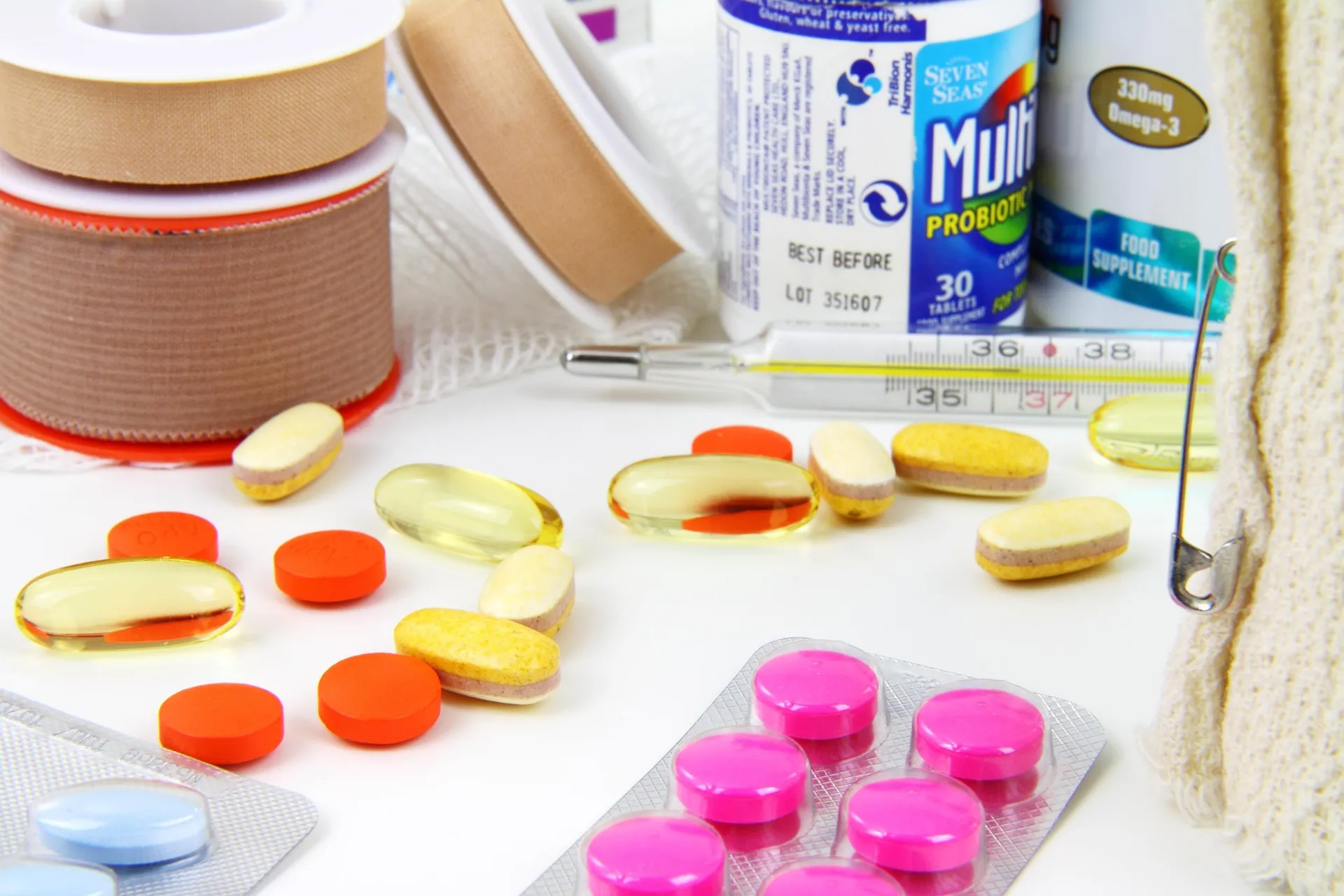
- Introduction: Staying Safe on Your Honeymoon
- Is Bali Safe for Honeymooners?
- Health & Medical Safety
- Food & Water Safety (Avoiding Bali Belly)
- Transportation Safety
- Beach & Ocean Safety
- Common Scams & How to Avoid Them
- Theft & Personal Property
- Natural Hazards (Volcanoes, Earthquakes)
- Safety Tips for Women Travelers
- Emergency Contacts & Hospitals
- Travel Insurance: Essential Coverage
- Cultural Etiquette & Respect
- Frequently Asked Questions (FAQs)
Introduction: Staying Safe on Your Honeymoon
Your honeymoon is one of the most important trips of your life. You want it to be magical, romantic, and unforgettable—not marred by an unfortunate incident. The good news is that Bali is generally a very safe destination for travelers. Millions of tourists visit every year without incident, and violent crime is extremely rare.
However, "generally safe" does not mean "nothing can go wrong." Like any destination, Bali has its own set of risks and safety considerations: food and water safety, traffic safety, ocean currents, petty theft, and occasional scams. Understanding these risks and taking simple precautions ensures your honeymoon is smooth, stress-free, and enjoyable.
In this comprehensive 2026 guide, we have compiled all the safety information you need for a Bali honeymoon. We cover health and medical safety, food and water precautions, transportation safety, beach and ocean safety, common scams, theft prevention, natural hazards, safety tips for women travelers, emergency contacts, travel insurance, and cultural etiquette. By the end of this guide, you will feel confident and prepared for a safe, romantic honeymoon in Bali.
Is Bali Safe for Honeymooners?
Short answer: Yes. Bali is one of the safest destinations in Southeast Asia for tourists. Here is why.
1. Low Crime Rate
Bali has a low rate of violent crime. Violent crimes against tourists are extremely rare. The Balinese people are known for their warmth, hospitality, and peaceful culture rooted in Hindu traditions.
2. Well-Developed Tourism Infrastructure
Bali has been a top tourist destination for decades. The tourism infrastructure is well-developed, with reliable medical facilities, English-speaking locals, and police presence in tourist areas.
3. Warm and Welcoming Culture
The Balinese people are incredibly welcoming and genuinely care for their guests. Tourists are treated with respect and hospitality that is hard to find elsewhere.
4. Safety in Tourist Areas
Tourist areas like Nusa Dua, Seminyak, Ubud, and Uluwatu are safe to walk around day and night. The beaches and resorts have security staff. Rideshare apps and taxis are readily available.
5. Reliable Emergency Services
Bali has several international-standard hospitals and clinics, especially in Denpasar, Kuta, and Nusa Dua. Emergency services are available, and international travel insurance is widely accepted.

Health & Medical Safety
Staying healthy is the foundation of a great honeymoon. Here is how to avoid getting sick and what to do if you do.
Vaccinations
No vaccinations are mandatory for Bali, but the following are recommended:
- Routine vaccines: Ensure your measles, mumps, rubella (MMR), diphtheria-tetanus-pertussis, chickenpox, polio, and flu vaccines are up to date.
- Hepatitis A: Recommended for all travelers to Bali (transmitted through food and water).
- Typhoid: Recommended, especially if you plan to eat at local warungs.
- Hepatitis B: Recommended for travelers who might have medical procedures or engage in activities with potential blood exposure.
- Rabies: Consider if you plan to interact with animals (monkeys in Ubud, dogs in villages).
- Japanese Encephalitis: Consider if you plan to spend extended time in rural areas.
Consult your doctor or a travel clinic 4-6 weeks before your trip for personalized recommendations.
Malaria & Dengue Fever
Bali is generally considered low-risk for malaria, but dengue fever is present, especially during the wet season (November-March). There is no vaccine for dengue, so prevention is key:
- Use mosquito repellent (DEET or picaridin-based)
- Wear long sleeves and pants at dusk and dawn
- Use mosquito nets (most hotels provide them in Ubud)
- Stay in air-conditioned rooms with screened windows
Bali Belly (Traveler's Diarrhea)
Bali Belly is the most common illness for travelers. It is caused by contaminated food or water. See the "Food & Water Safety" section below for prevention.
Sun Exposure & Heat
- Use high-SPF, reef-safe sunscreen and reapply every 2 hours
- Wear a hat and sunglasses
- Avoid midday sun (11 AM - 3 PM)
- Stay hydrated—drink 2-3 liters of bottled water daily
- Watch for heat exhaustion symptoms: dizziness, nausea, headache
Other Health Considerations
- Altitude: Ubud is at 200-500m elevation. If you trek Mount Batur (1,717m), watch for altitude effects.
- Motion Sickness: Bring tablets for boat trips (especially to Nusa Penida).
- Allergies: Bring medications if you have known allergies (bee stings, food, etc.).
- Prescription Medications: Bring enough for your entire trip in original bottles, plus a few days extra.
Food & Water Safety (Avoiding Bali Belly)
Bali Belly is the most common illness for travelers, but with a few precautions, you can significantly reduce your risk.
Water Safety
- Bottled Water: Buy bottled water from supermarkets or mini-marts (Aqua, Club, etc.). It is very cheap ($0.50-$1 per liter).
- Hotel Water: Most hotels and villas provide complimentary bottled water daily. Use it.
- Ice: Ice in tourist restaurants is usually made from purified water and is safe. Avoid ice in street drinks or from unknown vendors.
- Reusable Bottle: Consider bringing a reusable water bottle with a filter (e.g., Lifestraw, Grayl) if you want to reduce plastic waste.
Food Safety
- Eat Freshly Cooked Hot Food: Hot food from a busy restaurant or warung is generally safe.
- Avoid Raw Vegetables & Salads: Raw vegetables may be washed in tap water. Eat cooked vegetables instead.
- Skip Unpeeled Fruit: Only eat fruit you can peel yourself (bananas, oranges, mangos). Avoid pre-cut fruit from street vendors.
- Be Careful with Street Food: Street food can be safe if you choose busy stalls with high turnover. Avoid lukewarm food that has been sitting out.
- Choose Reputable Restaurants: Stick to restaurants with good reviews, both in resorts and in tourist areas.
- Wash Your Hands Frequently: Bring hand sanitizer. Use it before eating.
- Avoid Raw Seafood: Stick to cooked seafood. Sashimi at high-end restaurants is fine, but avoid raw seafood elsewhere.
If You Get Bali Belly
- Drink plenty of bottled water (2-3 liters per day)
- Use rehydration salts (bring from home or buy at pharmacies)
- Eat simple, bland foods (bananas, toast, rice porridge)
- Rest in your villa
- Avoid alcohol, caffeine, and dairy
- If symptoms persist for more than 3 days or are severe, see a doctor
Transportation Safety
Traffic accidents are the number-one safety risk for tourists in Bali. Here is how to stay safe.
Road Traffic in Bali
Bali's roads can be chaotic, especially in tourist areas. Traffic drives on the left (British-style). Scooter accidents are common among tourists. Here are the safest transport options.
Scooter/Motorbike Rental
- Only rent if you are an experienced rider
- Wear a helmet (mandatory by law)
- Check the scooter's condition before renting (brakes, tires, lights)
- Wear closed shoes and protective clothing
- Avoid driving at night
- Ensure you have the correct license (International Driving Permit)
- Verify that your travel insurance covers scooter accidents
Ride-Hailing Apps (Grab & Gojek)
Grab and Gojek are the safest and most affordable way to get around Bali for short trips. They are metered, professional, and easy to use.
- Download the apps before you arrive
- Set up your payment method (credit card or cash)
- Use the app to book rides, food delivery, and even massages
- Note: Some areas (like Ubud center) restrict pickups—walk to a nearby location if needed
Private Driver
Hiring a private driver is a safe and stress-free way to explore Bali. Expect $40-$80 per day for a full-day driver.
- Book through your resort, a trusted agency, or Trip.com
- Confirm the price and itinerary in advance
- Look for drivers with good reviews and clear English communication
Taxis
Traditional taxis exist but are often more expensive than ride-hailing apps and sometimes refuse to use the meter. Use Blue Bird Taxi (a reputable company with metered service) if you must take a taxi.
Airport Transfers
Book a private transfer or use ride-hailing for airport transfers. Many resorts offer complimentary transfers as part of honeymoon packages.
Beach & Ocean Safety
Bali's beaches and ocean are beautiful but can be dangerous if you are not careful. Here are the essential safety tips.
Rip Currents
Rip currents are the biggest danger in Bali's ocean. They can pull even strong swimmers out to sea. Beaches on the west coast (Seminyak, Canggu) and the Bukit Peninsula (Uluwatu, Padang Padang) often have strong currents.
- Only swim at beaches with lifeguards and calm conditions
- Do not swim if red flags are posted
- If caught in a rip current, do not swim against it—swim parallel to the shore until you exit the current
- The safest swimming beaches in Bali are Nusa Dua, Sanur, and Jimbaran
Water Sports Safety
- Always book through licensed, reputable operators
- Wear life jackets when provided
- Check equipment before use
- Do not go out in rough seas or bad weather
- Follow your instructor's guidance
- Do not drink alcohol before water sports
Beach Theft
- Do not leave valuables unattended on the beach
- Bring only what you need
- Use a waterproof pouch for phone, keys, and cash
- At beach clubs, use lockers or leave valuables with staff
Sun & Heat
- Use high-SPF, reef-safe sunscreen and reapply every 2 hours
- Avoid the midday sun (11 AM - 3 PM)
- Stay hydrated—drink water often
- Wear a hat and sunglasses
- Watch for signs of heat exhaustion
Wildlife & Marine Hazards
- Watch for jellyfish—avoid swimming when they are present
- Do not touch coral or marine life
- Avoid sea urchins in rocky areas (wear water shoes)
- Respect local rules about surfing, boating, and snorkeling
Common Scams & How to Avoid Them
While Bali is generally safe, some common scams target tourists. Being aware helps you avoid them.
1. Money Exchange Scams
- Use only authorized money changers (banks, PT Central Kuta, or authorized shops with official logos)
- Avoid "great rate" offers from small street kiosks
- Count your money carefully before leaving
- Watch for sleight-of-hand tricks (they may count slowly and pocket some)
- Get a receipt and count again
2. ATM Skimming
- Use ATMs at banks or inside secure areas (not standalone street ATMs)
- Check the card reader for unusual attachments
- Cover your PIN when entering it
- Use credit cards for large purchases and cash for small ones
- Monitor your bank statements for unauthorized charges
3. Taxi Scams
- Refuse to take taxis that do not use a meter
- Use Blue Bird Taxi (the reputable metered company) or ride-hailing apps
- Confirm the price before getting in
4. Scooter Rental Scams
- Photograph the scooter before renting (damage documentation)
- Rent from reputable shops with good reviews
- Do not leave your passport as collateral (offer a photocopy instead)
- Check for hidden damages that may be blamed on you later
5. Fake Tour Operators
- Book through reputable platforms (GetYourGuide, Trip.com, or your resort)
- Verify reviews before booking
- Avoid pushy street vendors offering tours at "too-good-to-be-true" prices
6. "Free" Gifts or Services
- Be wary of strangers offering "free" gifts, tours, or services
- These often end with pressure to buy or donate
- Politely decline and walk away
7. Credit Card Fraud
- Use credit cards only at reputable establishments
- Do not let your card out of sight
- Monitor your statements and report any suspicious activity
Theft & Personal Property
Petty theft (pickpocketing, bag snatching) can happen anywhere, including in Bali. Here is how to protect your belongings.
General Tips
- Do not carry large amounts of cash
- Keep your wallet, phone, and passport in a secure place
- Use a money belt or a crossbody bag with a secure closure
- Do not display expensive jewelry, watches, or electronics
- Be aware of your surroundings, especially in crowded areas
At the Beach
- Do not leave valuables unattended on the beach
- Bring only what you need
- Use a waterproof pouch for your phone, keys, and cash
- At beach clubs, use lockers or leave valuables with staff
At Your Villa or Resort
- Use the in-room safe for passports, jewelry, and extra cash
- Do not leave doors or windows open when you are out
- Confirm that your resort has 24/7 security
When Traveling Between Areas
- Keep your bags with you at all times on public transport
- Do not put valuables in checked luggage
- Use luggage locks for peace of mind
If You Are Robbed
- Do not resist—your safety is more important than your belongings
- Report the incident to local police as soon as possible
- Contact your embassy for assistance
- Cancel your credit cards immediately
- File a claim with your travel insurance
Natural Hazards (Volcanoes, Earthquakes)
Bali sits in a geologically active region, so natural hazards like volcanic eruptions, earthquakes, and tsunamis are a possibility. Here is what to know.
Volcanoes
Bali's most active volcano, Mount Agung, has erupted in recent years (2017-2019). The most recent eruptions caused flight cancellations but did not directly endanger tourists. Monitor travel advisories during your trip, especially if you are visiting East Bali.
Earthquakes
Bali experiences minor earthquakes occasionally. The most significant recent earthquake was in 2018 in Lombok (neighboring island), which was felt in Bali. Most earthquakes are minor and cause little to no damage.
Tsunamis
Bali is at risk for tsunamis, though major events are rare. If you feel a strong earthquake near the coast, move inland or to higher ground immediately. Follow instructions from local authorities.
Bali Emergency Alerts
- Follow local news and travel advisories
- Register with your country's embassy or travel registration program
- Keep your phone charged and have emergency contacts saved
- Know the location of the nearest evacuation site
Safety Tips for Women Travelers
Bali is generally very safe for women travelers, including honeymooners. However, solo women (or women traveling without a male partner) may encounter unwanted attention. Here are tips for staying comfortable.
- Dress Modestly: In temples and villages, cover shoulders and knees. Swimwear is fine at the beach and resort pool, but cover up when walking around town.
- Avoid Walking Alone at Night: Especially in isolated areas. Use ride-hailing apps for short trips.
- Trust Your Instincts: If someone makes you feel uncomfortable, leave the situation immediately.
- Be Confident: Walk with purpose and confidence. Do not appear lost or uncertain.
- Stay Connected: Share your location with a trusted friend or family member, especially if going out at night.
- Book Reputable Transport: Use ride-hailing apps (Grab, Gojek) or resort-arranged transport.
- Choose Your Accommodation Carefully: Book resorts or villas with 24/7 security and good reviews.
- Be Aware at Beach Clubs: Watch your drinks. Do not accept drinks from strangers.
Emergency Contacts & Hospitals
Save these numbers on your phone before you travel.
Emergency Numbers in Bali
| Service | Number |
|---|---|
| Police | 110 |
| Ambulance / Medical Emergency | 118 or 119 |
| Fire Department | 113 |
| Search & Rescue (BASARNAS) | 115 |
| Tourist Police | +62 361 754599 |
| Bali International Medical Clinic (BIMC) | +62 361 761263 |
| Siloam Hospitals Bali | +62 361 779900 |
Recommended Hospitals in Bali
- BIMC Hospital (Kuta): International-standard hospital with English-speaking doctors, close to Kuta and Seminyak.
- BIMC Hospital (Nusa Dua): International-standard hospital near Nusa Dua.
- Siloam Hospitals Bali (Kuta): Modern hospital with international accreditation.
- Kasih Ibu Hospital (Denpasar): Reputable local hospital.
- Sanglah Hospital (Denpasar): Bali's main public hospital.
Embassy Contacts
Save your country's embassy or consulate contact in Indonesia.
- US Consular Agency Bali: +62 361 233605
- Australian Consulate-General Bali: +62 361 2000 100
- UK Consulate Bali: +62 361 270601
- Canadian Consulate Bali: +62 361 284689
Travel Insurance: Essential Coverage
Travel insurance is not optional for a Bali honeymoon. It is essential. Medical costs can run into thousands of dollars, and emergency evacuation can be even more.
What Your Travel Insurance Should Cover
- Medical Expenses: Hospitalization, doctor visits, medications, and treatments.
- Medical Evacuation: Emergency transport to a nearby country (like Singapore or Australia) if necessary. This can cost $50,000-$100,000+.
- Trip Cancellation: Reimbursement for non-refundable expenses if you have to cancel the trip.
- Trip Interruption: Coverage for unexpected changes to your trip.
- Baggage Loss or Delay: Coverage for lost, stolen, or delayed luggage.
- Adventure Sports: Coverage for water sports, scooter accidents, trekking, diving, etc. (This is often an add-on.)
- Personal Liability: Coverage if you accidentally cause damage or injury to others.
- 24/7 Emergency Assistance: A hotline you can call for help anywhere in the world.
What It Usually Doesn't Cover
- Pre-existing medical conditions (unless specifically covered)
- Extreme sports without an add-on
- Accidents while under the influence of alcohol or drugs
- Lost valuables left unattended
Recommended Travel Insurance Providers
- World Nomads: Excellent for adventure travel, covers most sports.
- Allianz: Comprehensive coverage with strong customer service.
- SafetyWing: Affordable, subscription-based coverage.
- Travel Guard: Strong medical and evacuation coverage.
- IMG Global: Good for long-term and adventure travel.
Sample Insurance Costs
| Coverage Level | Cost Per Couple (7 Days) |
|---|---|
| Basic Travel Insurance | $80 – $150 |
| Comprehensive Insurance | $150 – $300 |
| Premium (Adventure Coverage) | $200 – $400 |
| Ultra-Premium (High-Limit Evacuation) | $400 – $800 |
Cultural Etiquette & Respect
Understanding local customs ensures a smooth, respectful experience. Here are the key etiquette points for Bali.
Dress Code
- Temples: Cover shoulders and knees. Wear a sarong and sash (usually provided).
- Villages & Local Areas: Dress modestly. Avoid skimpy clothing outside of beach areas.
- Beach Clubs & Resorts: Swimwear is fine, but bring a cover-up for walking around.
- Fine Dining: Smart casual to elegant. Avoid flip-flops and beachwear.
Gestures & Behavior
- Use your right hand for giving and receiving things (in traditional contexts).
- Do not point with your index finger—use your thumb or entire hand.
- Do not touch people on the head—it is considered sacred.
- Show respect at temples—do not climb on structures or statues.
- Avoid public displays of affection (PDA) at temples and cultural sites. Hand-holding is fine.
- Greet with a smile—Balinese people are warm and friendly.
Sacred Sites & Ceremonies
- Do not walk in front of people praying.
- Do not photograph religious ceremonies without permission.
- Follow the guidance of temple staff.
- Remove shoes before entering temples and homes.
Tipping in Bali
- Restaurants: Most add 10% service charge and 10% tax. If not, tip 10%.
- Spas: Tip 10% for spa treatments.
- Private Drivers: Tip $5-$15 per day for good service.
- Hotel Staff: Tip $1-$5 per service (porter, housekeeping).
- Tour Guides: Tip $10-$20 per day.
- Butler/Villa Staff: 10-15% is appreciated.
Frequently Asked Questions (FAQs)
Is Bali safe for honeymooners?
Yes, Bali is very safe for honeymooners. It is one of the most popular tourist destinations in Asia, with millions of visitors every year. Violent crime is rare, and the Balinese people are welcoming and hospitable. The main issues for tourists are petty theft, scams, traffic safety, and food/water-related illness. With basic precautions, your Bali honeymoon will be safe and enjoyable.
Is the tap water in Bali safe to drink?
No, tap water in Bali is not safe to drink. Always drink bottled or purified water. Avoid ice in drinks from street vendors (though most restaurants use purified ice). Use bottled water for brushing your teeth as well. This is the most important health precaution for avoiding Bali Belly.
What is Bali Belly and how can I avoid it?
Bali Belly is a common stomach illness for travelers, caused by contaminated food or water. To avoid it: drink only bottled water, eat freshly cooked hot food, avoid raw vegetables and unpeeled fruit, skip street food if your stomach is sensitive, and wash your hands frequently. If you do get it, drink plenty of water, use rehydration salts, and rest. Most cases resolve in 24-48 hours.
What vaccinations do I need for Bali?
No vaccinations are mandatory for Bali, but Hepatitis A and Typhoid are recommended for all travelers. Depending on your plans, you may also consider Hepatitis B, Rabies, and Japanese Encephalitis. Consult your doctor or a travel clinic 4-6 weeks before your trip for personalized recommendations.
Is it safe to rent a scooter in Bali?
Only if you are an experienced rider. Scooter accidents are the leading cause of injury among tourists in Bali. If you do rent a scooter, always wear a helmet, drive defensively, and never drive under the influence. Ensure your travel insurance covers scooter accidents.
What is the best way to get around Bali?
The safest and most affordable ways to get around Bali are: (1) ride-hailing apps (Grab, Gojek) for short trips, (2) private drivers for day trips ($40-$80 per day), (3) hotel/resort transfers for airport and inter-hotel trips. Avoid unmetered taxis and driving scooters if you are not experienced.
Is it safe to swim in Bali's ocean?
Yes, but only at the right beaches. Nusa Dua, Sanur, and Jimbaran are safe for swimming (calm, reef-protected waters). Beaches on the west coast (Seminyak, Canggu) and Bukit Peninsula (Uluwatu, Padang Padang) often have strong currents and are better for surfing than swimming. Always swim at beaches with lifeguards and never swim alone.
What should I do in a medical emergency in Bali?
Call 118 or 119 for an ambulance, or go directly to a recommended hospital like BIMC Kuta, BIMC Nusa Dua, or Siloam Hospitals. Have your travel insurance emergency line saved on your phone. For serious emergencies, medical evacuation to Singapore or Australia may be necessary.
Is Bali safe for women travelers?
Yes, Bali is generally very safe for women travelers, including honeymooners. As a couple, you will be treated with respect. If you are alone, be confident, avoid isolated areas at night, use ride-hailing apps, and dress modestly in temples and villages. Trust your instincts.
Do I need travel insurance for a Bali honeymoon?
Yes, travel insurance is essential for a Bali honeymoon. It covers medical emergencies, evacuations, trip cancellations, and lost luggage. Make sure your policy covers the activities you plan to do (water sports, scooter accidents, etc.). Expect to pay $80-$400 per couple for a 7-day trip.